
What water damage restoration covers
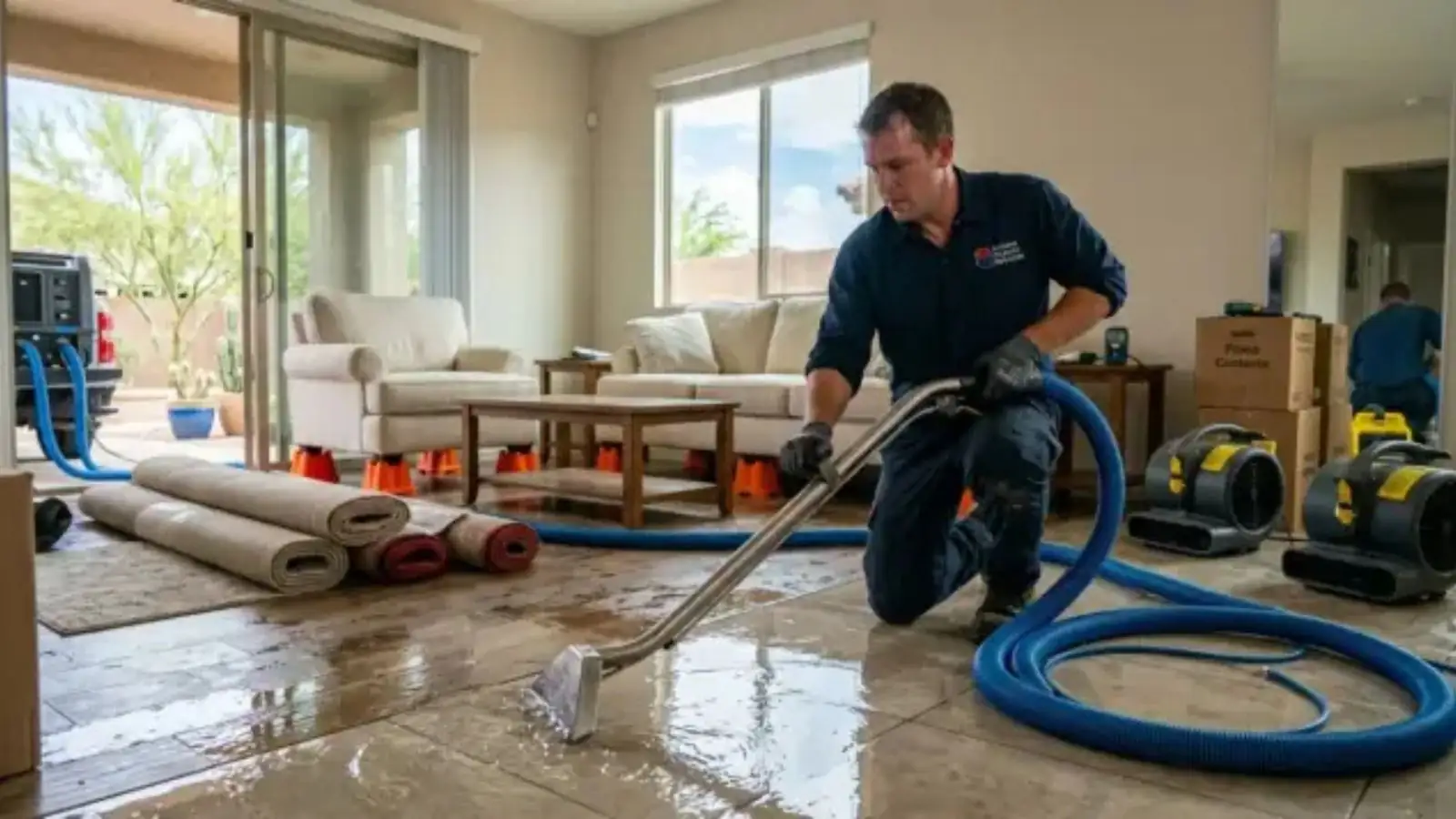
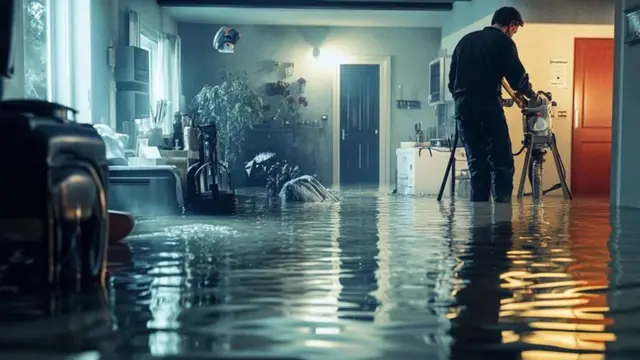
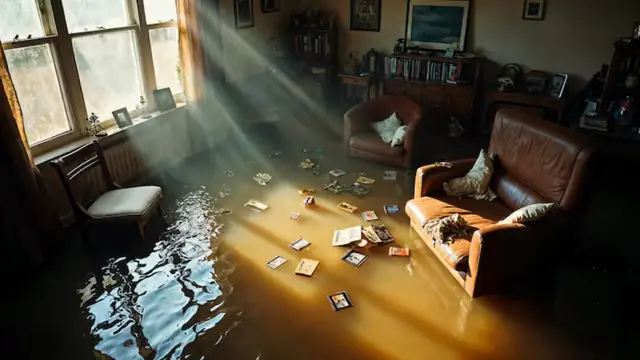
Water damage restoration is the work of stopping water, removing it, drying the structure and repairing the materials it harmed. In a Grapevine home that can mean a failed supply line behind a dishwasher, a roof leak after a storm, a clogged air conditioner drain line or a sewer backup through a floor drain.
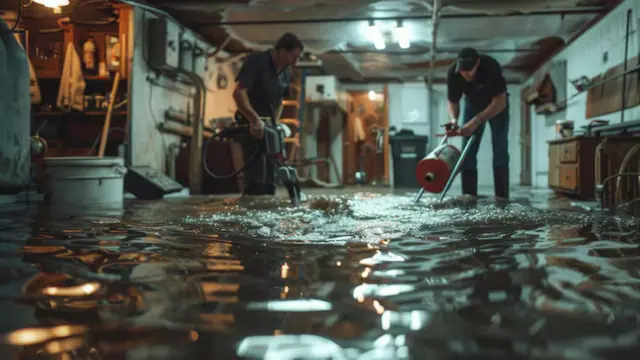
Each job starts the same way. A crew finds the source, measures how far the moisture traveled with moisture meters and a thermal imaging camera, and sets a drying plan that follows the ANSI/IICRC S500 standard for professional water damage restoration. The plan decides which materials can be dried in place and which must come out.
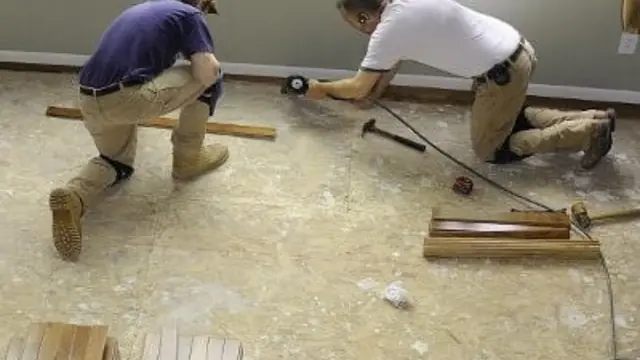
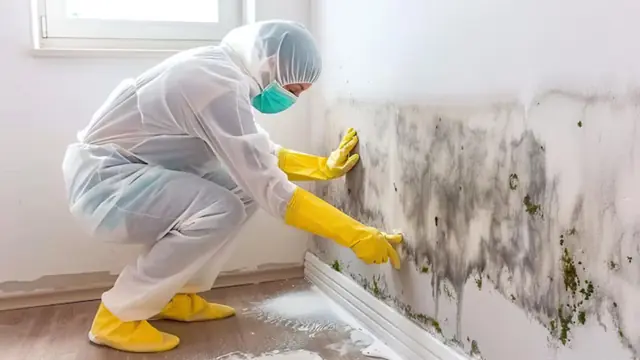
Speed matters because water keeps moving. Drywall wicks moisture upward, carpet pad holds it against the subfloor and wet framing can stay damp for days. That is why emergency water removal and water mitigation come first, and rebuilding comes after the structure tests dry.
Which water category are you dealing with?
The S500 standard sorts water into three categories by how contaminated it is. The category changes what can be saved, what protective gear crews wear and how the cleanup is handled.
| Category | Typical source | What it means | How crews handle it |
|---|---|---|---|
| Category 1 | Broken supply line, tub overflow, rain through a roof leak | Clean at the source but it degrades as it sits | Extract, dry in place, keep most materials |
| Category 2 | Washing machine or dishwasher discharge, toilet overflow with urine only | Contains contaminants that can cause discomfort | Extract, remove wet carpet pad and porous materials, treat surfaces |
| Category 3 | Sewage backup, creek or lake flood water | Grossly contaminated, treat as unsafe | Containment, removal of porous materials, sanitizing, strict safety steps |
Not sure which category you have? Describe what you see when you call and the dispatcher will tell you what to do while you wait. Any sewage or flood water is treated as Category 3 until a crew rules it out.