
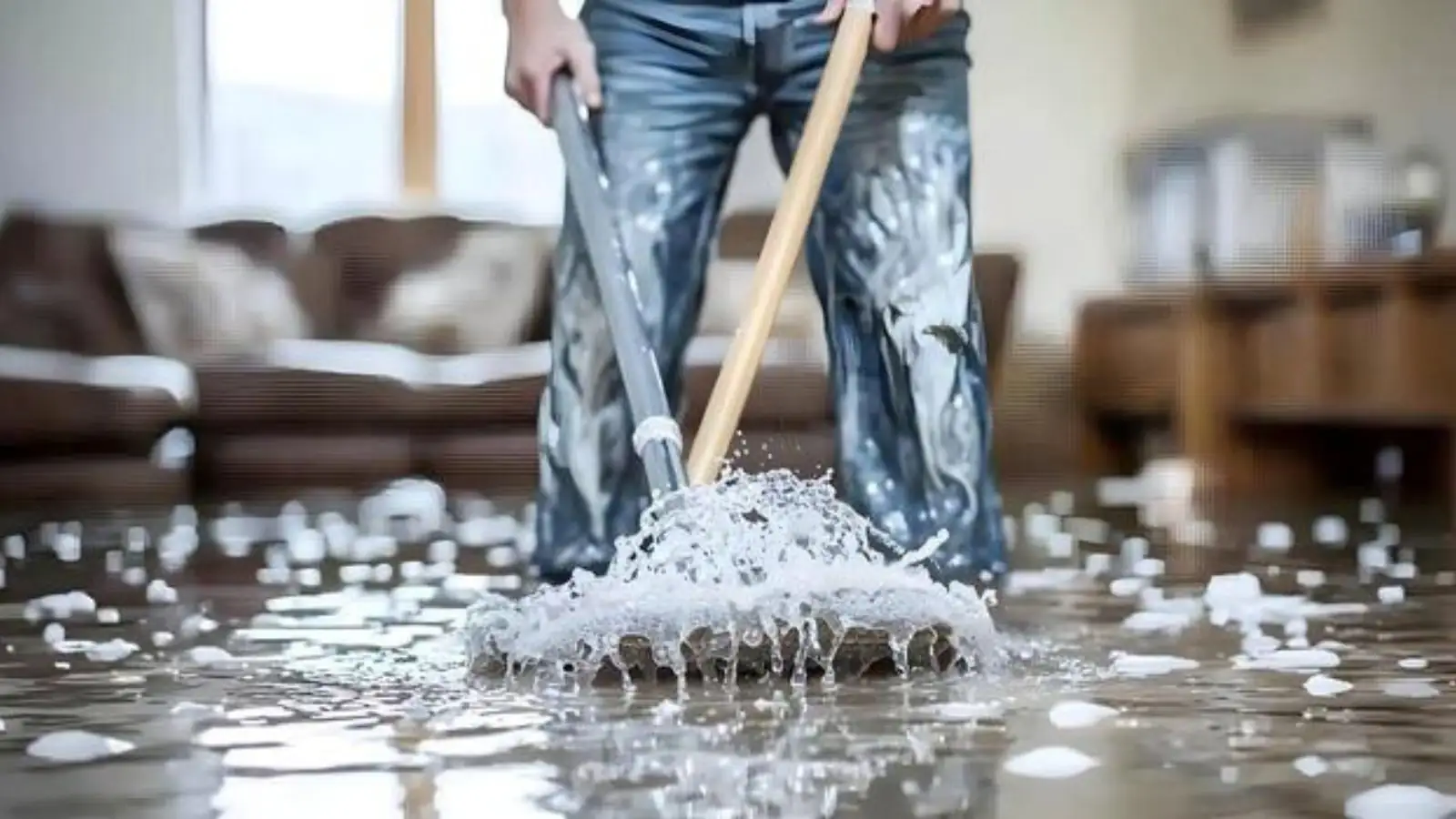
Emergency water damage cleanup after the source is stopped
Once a pipe is shut off or a leak is fixed, a Grapevine home still has wet carpet, damp cabinets and soaked boxes to deal with. That cleanup is time-sensitive, and our line is answered 24/7 for exactly that reason. Until a crew arrives, keep people and pets out of the wet area, lift small items onto dry surfaces and do not run a household vacuum over standing water.
Cleanup follows the ANSI/IICRC S500 water damage standard, which sorts water into three categories and sets how each is handled. It differs from water mitigation in focus. Mitigation stops the water and sets drying. Cleanup removes contaminated and ruined materials, treats what remains and clears the way for drying and rebuild.
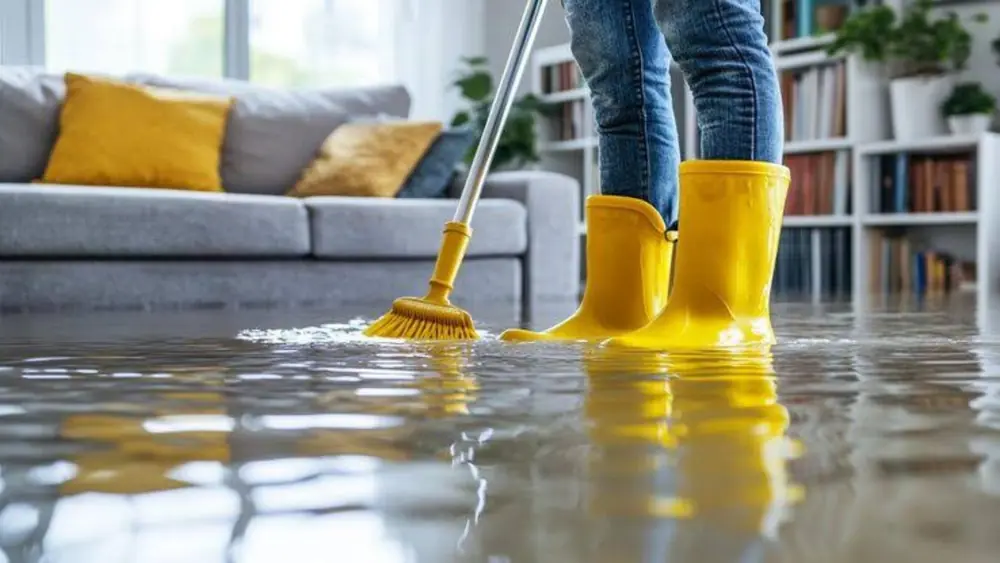
When cleanup cannot wait until morning
A same-day response matters most when the water was not clean to begin with. Water that came from a washing machine, a dishwasher, a toilet or a drain carries contaminants, and it keeps soaking into porous materials the longer it sits.
Odors are a second clock. Wet carpet pad, damp insulation and soaked particleboard start to smell within a day or two in a warm house, and the smell is a sign that moisture is still trapped. Cleanup that starts quickly keeps odor sources from setting into the structure.
What cleanup includes
Scope varies by water category and materials, but a typical cleanup follows this path.
- Remove standing water and wet debris, bagging and hauling soaked items out of the house.
- Cut out and discard materials that cannot be safely cleaned, such as saturated pad, insulation and drywall that wicked contaminated water.
- Clean hard surfaces, framing and subfloor with detergents and antimicrobial products suited to the water category.
- Pack out and clean salvageable contents, and separate what the insurer may want to see.
- Treat odors at the source, using HEPA air scrubbers and deodorizing steps where needed.
- Hand off to drying and to repair once moisture readings and surfaces are clear.
What can be kept and what usually goes
Category 1 water leaves more options than Category 2 or 3. These are general patterns, and a crew confirms them with moisture readings.
| Material | Clean water (Category 1) | Contaminated water (Category 2 or 3) |
|---|---|---|
| Carpet and pad | Carpet often dried in place, pad often replaced | Both usually removed |
| Drywall | Often dried if caught early | Wet sections cut out |
| Hardwood and laminate | Sometimes dried, may cup or swell | Often removed |
| Insulation | Dried or replaced depending on type | Replaced |
| Upholstery and mattresses | Cleaned if dried quickly | Usually discarded |
| Hard furniture | Cleaned and dried | Cleaned and sanitized, or discarded if porous |
Ready to clear out the damage?
Tell the dispatcher what got wet and what the water came from.
What to do before the crew arrives and what not to do
Photograph and video every wet room and every damaged item before anything is moved or thrown out. Your insurer will ask for them, and the Texas Department of Insurance advises keeping damaged items until the adjuster has seen them where possible.
Do not use a heater to speed drying and do not seal wet rooms with plastic yourself. Both can trap moisture and make odors worse. If water came from a sewer line or a toilet, stay out of the area, wash hands after any contact and let the crew handle it.
Sanitizing, deodorizing and when odor comes back
Sanitizing treats surfaces after contaminated water. Deodorizing removes the source of the smell instead of covering it. If a musty smell returns weeks later, the usual cause is moisture still sitting in a wall, a subfloor or the insulation above a ceiling.
That is the point where a cleanup job overlaps with mold remediation. Mold needs moisture, and a small area found early is a different job from growth across a wall cavity. A crew checks for hidden moisture before declaring a room clean.
Cleanup cost and insurance in general terms
Cleanup cost follows five factors: the water category, how many rooms are affected, the materials that must come out, the amount of contents handled and the odor treatment needed. Scope and price are explained before work starts, so you know what is included.
Sudden and accidental water damage is often covered and gradual leaks often are not, so check your policy or ask your insurer. If a high water bill tipped you off to a leak, Grapevine's utility billing office at City Hall is where residents with unexplained spikes are directed, and it helps to bring that history to your insurer too.
Cleanup in Grapevine and neighboring towns
Homes near Historic Downtown Main Street and homes along Dove Road see the same kinds of calls: appliance discharge, bathroom overflows and kitchen leaks. Crews also work across Euless and Coppell, and the process is the same. Once the area is clear and dry, water damage repair rebuilds the finishes.
Water damage cleanup questions in Grapevine
Yes. A dispatcher picks up at any hour, including weekends, and cleanup crews go out the same day when the schedule permits. Arrival times are not promised. Tell the dispatcher what the water came from so the crew arrives with the right equipment.
Yes. Cleanup removes and treats wet debris and contaminated surfaces. Drying removes moisture from the structure that stays. Most jobs need both, and they usually run in the same visit.
Small Category 1 spills can often be handled by a homeowner if the area is dried fully. Anything from a sewer, a toilet, a washing machine or flood water, or any water that sat more than a day or two, is safer handled by a crew.
Salvageable hard contents are cleaned and dried. Porous items such as mattresses and upholstery are often discarded after contaminated water. Photograph everything first so your insurer can see what was affected.
It removes the odor sources it can reach. If the smell returns, moisture is probably still trapped somewhere, and the crew should check the wall, subfloor or ceiling cavity with moisture meters.