
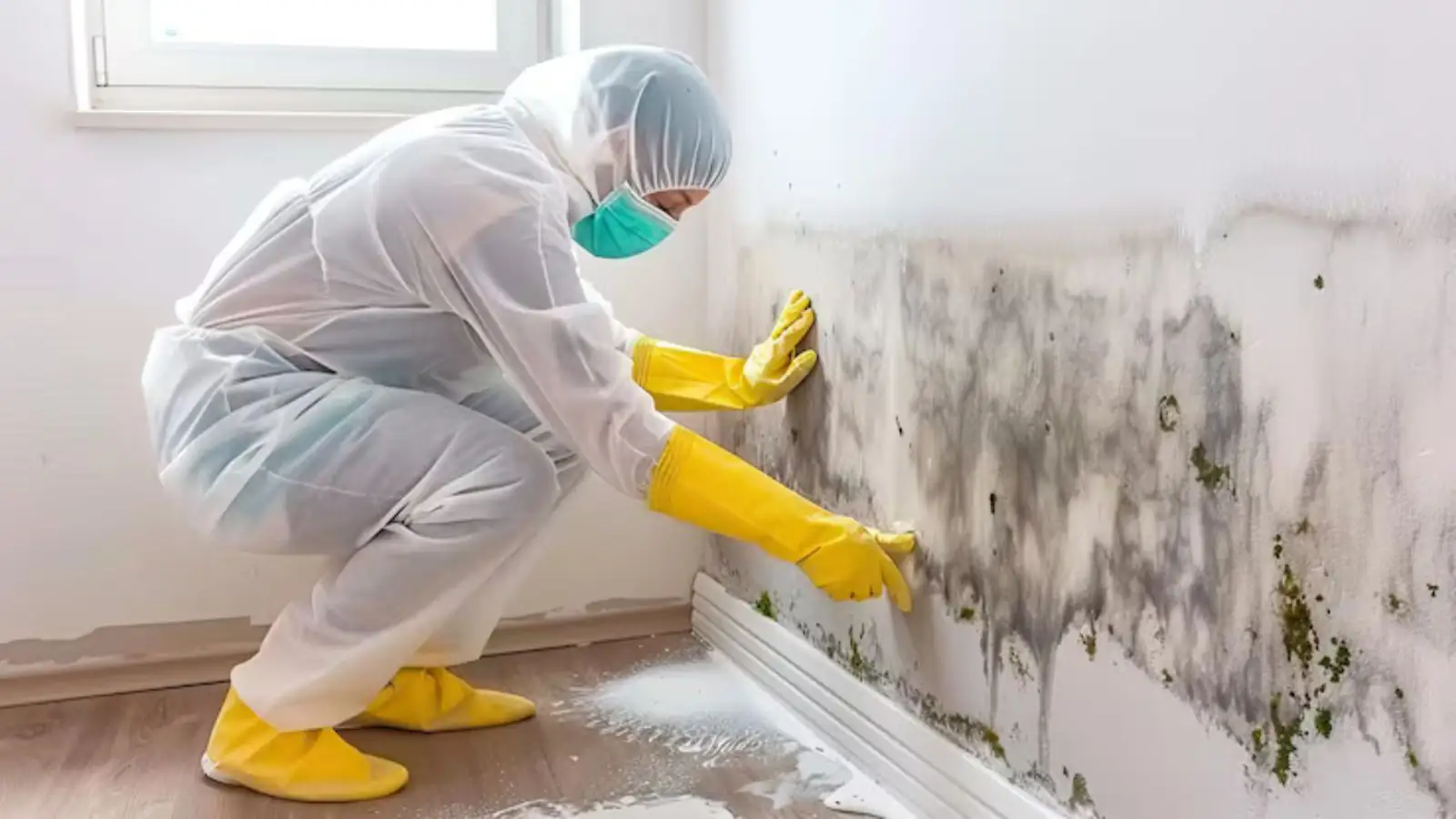
Mold remediation in Grapevine, TX starts with the moisture
Mold grows where moisture lingers, so remediation always begins by finding the water. A Grapevine homeowner might trace it to a slow leak under a bathroom sink, a clogged air conditioner condensate line, a roof leak or a wall that stayed wet after a flood. Removing mold without fixing that source only starts a countdown to the next outbreak.
Remediation is different from cleaning a small patch. It uses containment barriers, negative air, HEPA filtration and removal of affected porous materials, following the ANSI/IICRC S520 standard for professional mold remediation. Questions about health effects belong with a physician, not a restoration company.
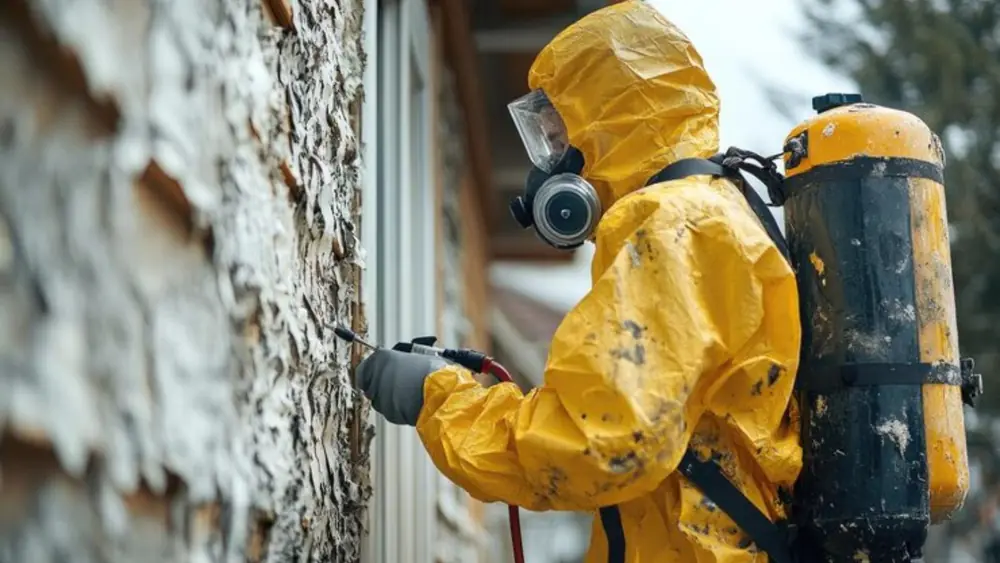
If you notice a smell or spots but are not sure it is mold
Most people do not search for mold remediation first. They notice a musty smell in a closet, dark spots in the corner of a shower ceiling, wallpaper that bubbles or carpet that feels damp near a wall. Some find growth after pulling up carpet or opening a wall during a remodel.
Those clues point to moisture, and moisture is the thing to fix. An inspection finds where water has been and how far it reached, and testing can confirm what the growth is. Plan on the inspection first and the removal scope second.
Mold testing and inspection
Inspection means moisture readings, visual checks and sometimes a thermal imaging camera to find damp areas behind surfaces. Sampling can be done by air or surface tests, and the results guide the removal plan.
Texas licenses mold assessment and mold remediation through the Texas Department of Licensing and Regulation under Chapter 1958 of the Occupations Code. Ask any company for its TDLR license number and verify it with TDLR before you sign anything. The Texas Department of Insurance also advises hiring a state-licensed mold professional if you plan to file a claim.
How mold removal works
The steps depend on the size and location of the growth. A typical remediation follows this order.
- Fix the moisture source and confirm it is dry or drying.
- Set containment with plastic barriers and run negative air machines so spores do not spread to clean rooms.
- Remove affected porous materials such as drywall, insulation and carpet, and bag them in the containment area.
- Clean and treat structural surfaces, using HEPA vacuuming and damp wiping where materials are kept.
- Dry the area and run HEPA air scrubbers until the air and surfaces are ready for a clearance check.
- Rebuild once an independent assessor or the plan confirms the work is complete.
Want mold looked at?
Describe what you see and where. Scope and price are explained before work starts.
Small patch or full remediation?
These are general guides. A site visit settles the close calls.
| Situation | Usually handled as | Why |
|---|---|---|
| A few small spots on a hard surface after a fixed leak | Careful cleaning, dry the area, watch it | Small, surface-only growth on nonporous material |
| Growth on drywall, ceiling or insulation | Remediation with removal | Porous materials cannot be cleaned reliably |
| Musty odor with no visible source | Inspection first | Moisture may be inside a wall or ceiling |
| Growth after flood or sewage water | Remediation after water cleanup | Contaminated water spreads wider |
| Lender or buyer asks for clearance | Remediation plus independent clearance test | Documentation matters for the sale |
Mold removal and black mold cleanup
Color does not tell you whether mold is dangerous, and black mold gets attention it does not always deserve. Any mold with moisture behind it gets the same plan: contain, remove, clean and dry. What changes is the extent, not the color.
Spraying bleach on drywall does not fix a mold problem because the material is porous and the moisture is still there. Surface cleaning on hard materials such as tile or glass can work for a minor patch, but growth that returns after cleaning is a sign of an active moisture source.
Mold after water damage
The Texas Department of Insurance notes that mold can start growing within a day after a leak, which is why fast drying matters. Wet drywall, pad and insulation that stay damp for several days are the most common starting points.
If your home had a recent leak or flood, water mitigation limits the chance of mold taking hold, and water damage cleanup removes materials that will not dry. When a home is being sold, clearance testing after remediation is the usual way to document the result. We do not promise how a lender will respond.
Cost factors and insurance
Mold remediation cost follows the area affected, the materials that must come out, the containment needed, how many rooms are involved and the rebuild scope. Scope and price are explained before work starts. Want your real number? Call and describe what you see.
The Texas Department of Insurance says mold on a damaged item from a covered loss is covered, while mold from gradual leaks or flooding usually is not, and most policies do not include mold testing or cleanup after the damaged item is removed. Ask your agent about options, and expect an inspection and a certificate confirming removal for a claim.
Mold remediation in Grapevine and nearby towns
Our crews handle remediation across Grapevine, in Coppell and in Flower Mound. Once the area is clear, water damage repair rebuilds the walls and finishes.
Mold remediation questions in Grapevine
Not always. Visible growth with a known water source can go straight to a removal plan. Testing helps when the source is unclear, when a buyer or lender wants documentation, or when you want clearance afterward. Texas licenses mold assessors, so ask for a license number.
Bleach does not solve mold on porous materials such as drywall, and it does not remove the moisture. Small surface patches on hard materials can often be cleaned, but anything that returns means water is still present.
A plumber or roofer confirms the repair, and moisture readings show the area is drying. Remediation should not begin until the moisture path is closed.
It documents the condition of the area after remediation, usually done by an independent assessor. It is the paperwork many lenders and buyers ask for, and we do not promise how any lender will respond.
Mold that develops on a damaged item from a covered loss is covered according to the Texas Department of Insurance, and mold from gradual leaks or flooding usually is not. Check your policy and ask your agent about cleanup coverage.