
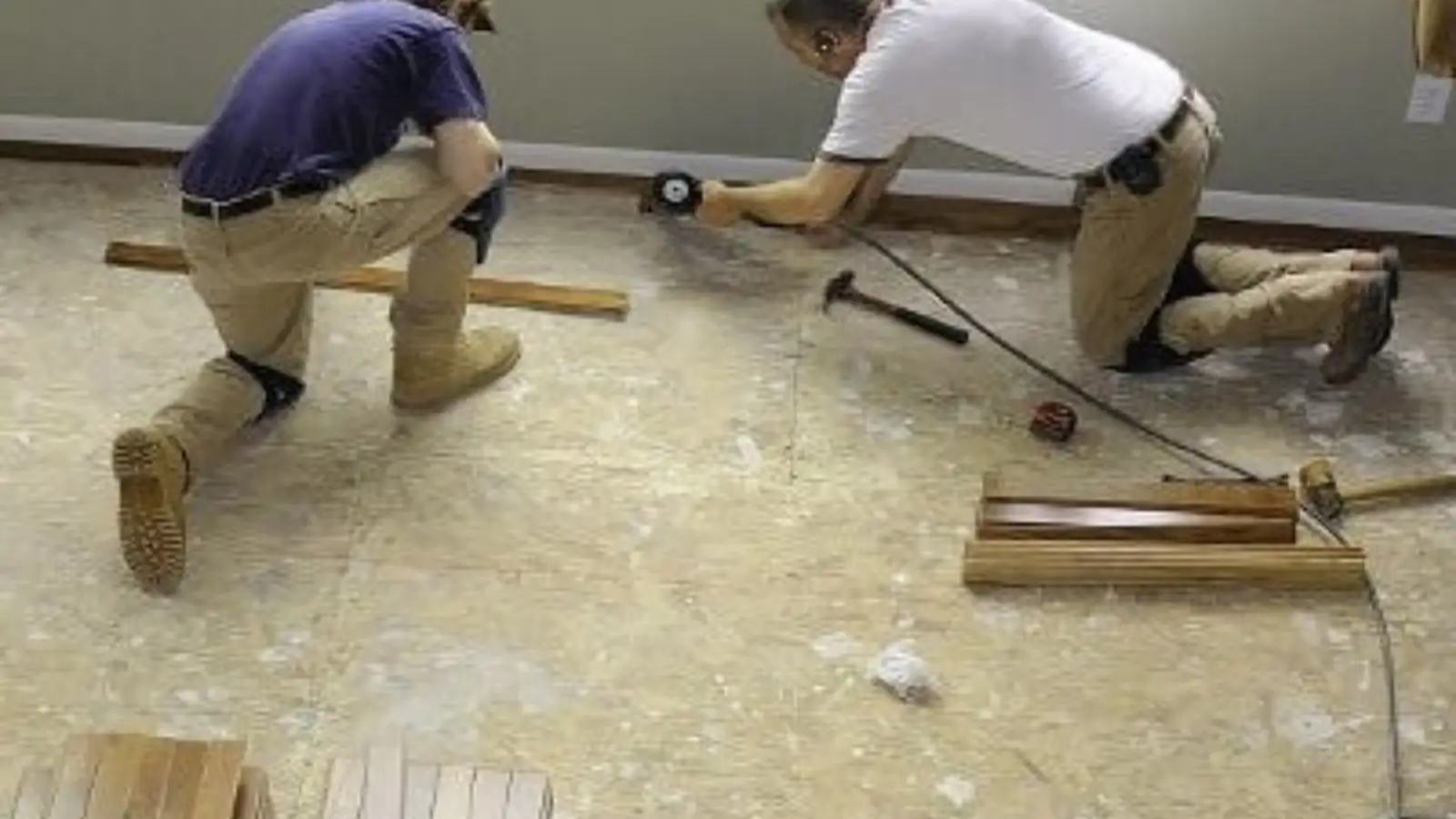
Water damage repair in Grapevine, TX happens after drying
Repair is the second half of a water loss. When a leak or flood is stopped and the structure tests dry, Grapevine homeowners still face stained ceilings, swollen baseboards, soft drywall and warped flooring. This page covers the rebuild, from patching one wall to replacing a whole room of finishes.
Rebuilding over wet materials is the most common mistake. Paint and new drywall hide moisture and trap it, and the problem comes back as peeling, staining or mold. If readings are still high, water mitigation has to finish before any repair starts.
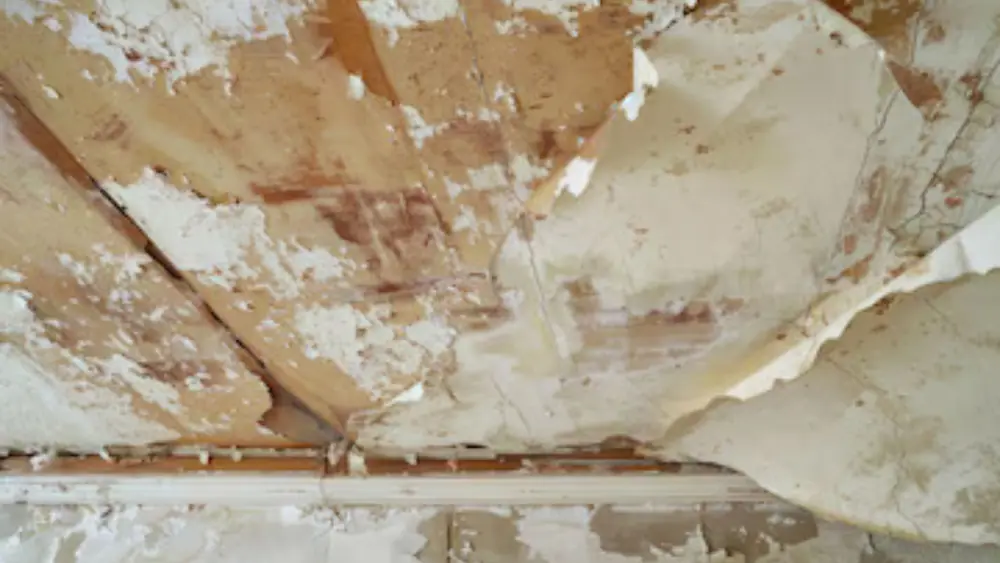
Signs your home needs water damage repair
Some damage is obvious and some shows up weeks after the water is gone.
- Brown or yellow stains on a ceiling or wall, especially rings that grow larger
- Drywall that feels soft, bubbles or crumbles at the touch
- Peeling paint or wallpaper, or paint that blisters in a patch
- Baseboards and trim that swell, gap or pull from the wall
- Floors that cup, buckle or squish near a wall
- Doors and cabinets that stick after a leak
Ceiling and wall water damage repair
Ceilings and walls take the most repair work because water travels down and sideways before it shows. A stain on a ceiling usually means insulation above it is wet too, and that has to be checked before anything is painted.
Repairs follow a clear order. A crew confirms the source is fixed, removes drywall that is soft, stained through or contaminated, replaces wet insulation, installs new board, tapes, textures and primes. Stain-blocking primer matters, because tannin and water stains bleed through ordinary paint.
Sagging or bulging ceilings are a safety issue. Stay out from under them and call before anyone touches the area, because wet drywall can drop without warning. For small stains with a dry attic or room above, patching and priming may be all that is needed.
Hardwood floor cupping and flooring repair
Hardwood cups when the bottom of the boards absorbs more moisture than the top. A leaking dishwasher, a failed washer valve or a clogged air conditioner drain line can all cause it. Sometimes boards flatten again if the subfloor is dried slowly, and sometimes they need sanding and refinishing or replacement.
Waiting several weeks to see what the floor does is reasonable only after drying is confirmed. Sanding too early locks moisture in and leaves cupping that returns. Laminate and engineered wood swell at the edges and rarely recover, while tile usually survives if the subfloor beneath it is dry.
What to do before repairs begin
Rebuilding goes better when these are settled first. Drying and moisture checks follow the ANSI/IICRC S500 standard.
- Confirm the source is fixed by a plumber, roofer or HVAC technician.
- Get final moisture readings in writing, not just a hand test.
- Photograph the damage before anything is removed.
- Keep damaged items until your adjuster has seen them.
- Do not paint over stains or cover soft drywall.
- Ask the Building Inspection Department whether the work needs a permit.
Want the repair scope in writing?
We explain scope and price before any work starts.
Repair or replace? A quick decision guide
These patterns hold for most homes, and moisture readings settle the close calls.
| Material | Repair when | Replace when |
|---|---|---|
| Drywall | Small area, clean water, dried fast, no sag | Soft, crumbling, stained through or contaminated |
| Ceiling texture | Stain only, framing dry | Sagging, bulging or wet insulation behind it |
| Hardwood | Mild cupping, dried slowly, sound boards | Buckled, split or black staining |
| Cabinets | Surface swelling at the toe kick | Swollen boxes or delaminated panels |
| Insulation | Not applicable for most wet batts | Wet batts, blown-in insulation that clumped |
| Baseboards and trim | Painted trim that dried flat | Swollen or splitting MDF |
What drives the cost of repairs
Repair pricing follows five factors: the water category, the square footage of finishes affected, the materials, the number of days drying took and the scope of the rebuild itself. A single patched wall and a fully rebuilt kitchen are different projects even when the source was the same.
Scope and price are explained before work starts, and the repair estimate stands apart from the mitigation estimate so you can compare them. Want your real number? Describe the damage when you call.
Permits, insurance and who pays
Some repairs involve plumbing, electrical or mechanical work, and Grapevine handles those under one combined application through its Building Inspection Department at 200 S. Main Street, (817) 410-3165. Permit rules vary by job, so ask the department before assuming a repair does not need one. After the February 2021 winter storm the city waived permit fees for plumbing repairs, so ask what applies today.
Sudden and accidental water damage is often covered by homeowner policies and gradual leaks often are not. Check your policy or ask your insurer, and the Texas Department of Insurance advises waiting for your insurer to see the damage before permanent repairs begin.
Repairs across Grapevine and nearby towns
We handle rebuilds in Grapevine, Southlake and Flower Mound. If water is still active or the structure is wet, start with emergency water removal. If you are seeing mold on a ceiling or wall, read about mold remediation before repairs begin, because repairs that cover mold only hide it.
Water damage repair questions in Grapevine
Moisture meter readings in the affected materials should match dry reference readings from unaffected areas. If a crew did the drying, ask for the final readings in writing before drywall goes up.
Texture and paint can be matched closely, but older paint fades, so a full wall or ceiling is often repainted for an even finish. We explain which approach fits your room in the scope.
No. Sanding before the boards and subfloor are fully dry traps moisture and cupping can return. Dry first, give the floor time to settle, then decide between refinishing and replacement.
It depends on the work. Plumbing, electrical and mechanical repairs fall under a combined application with the city's Building Inspection Department, so call (817) 410-3165 and ask before the work starts.
Sudden and accidental damage is often covered and gradual damage often is not. Check your policy, report the loss quickly and keep damaged items for the adjuster. We provide photos and a written scope and make no promise about the claim result.