
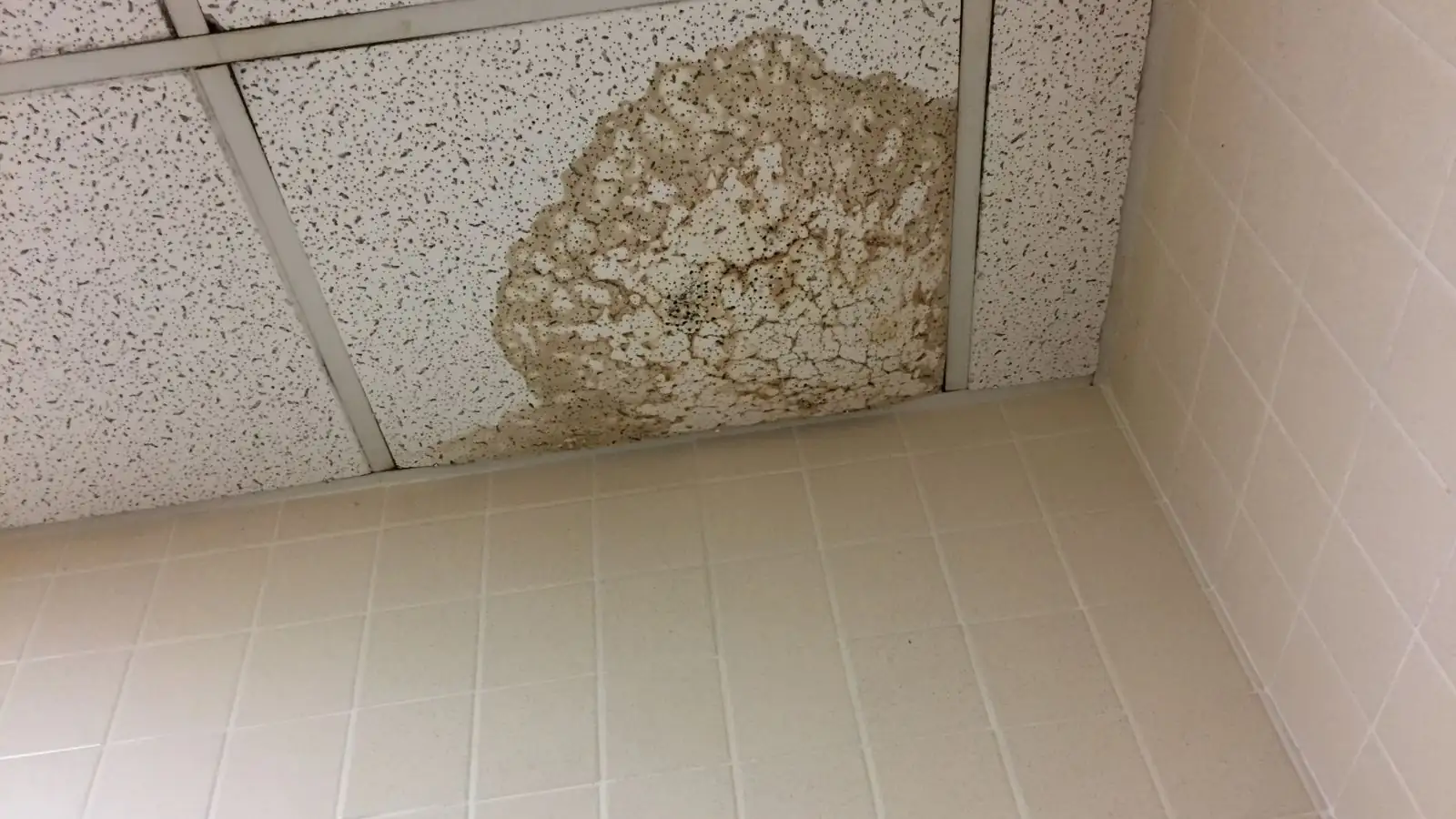
Why a clogged AC drain line floods a Grapevine, TX home
Cooling air pulls humidity out of it, and that moisture condenses on the evaporator coil as water. The water drips into a drain pan and exits through a condensate line, usually a 3/4 inch PVC pipe that runs to a drain or outdoors. When algae, dust or sludge plug that line, the pan fills and overflows.
Grapevine air conditioners run for months of the year, so condensate production is steady and condensate production is steady. A line that clogs in June can release water every day until someone notices a stain.
Look for the signs early. A pan that is always full, water stains in a ceiling under the attic unit, or a damp smell near a hallway closet all point to a drain problem. Algae growth is common in warm, humid conditions, which makes summer the peak season for these clogs.
Safety first
Turn the thermostat to off and shut the system down at its breaker if the panel is dry and easy to reach. If water is dripping through light fixtures or near outlets, stay out of that room and call 911 or your electric utility before calling anyone else. Never stand under a bowed ceiling, because trapped water makes drywall heavy and it can drop without warning.
Where condensate leaks hide
The air handler can sit in an attic, a closet or a garage, and the water follows gravity from there.
Attic air handlers
Overflow soaks insulation and then drips through the ceiling below. Brown stains and a musty smell often show up weeks after the first spill.
Closet units
Water runs under the door onto flooring, baseboards and the wall base. Carpet and laminate wick it outward.
Garage and utility room units
Slab floors dry more easily, but wall bottoms and stored boxes soak up moisture.
Under-floor and crawl space units
Water collects out of sight, which makes a thermal imaging scan and moisture meter readings especially useful.
What to do when you find the leak
Work through these steps in order to stop the water and reduce what soaks in.
- Switch off the AC at the thermostat and, if safe, at the breaker.
- Check the drain pan under the unit and remove standing water with a wet vacuum if the power is off.
- Clear the visible end of the condensate line with a shop vacuum, or ask an HVAC technician to flush it.
- Photograph stains, wet insulation and any damaged belongings.
- Move furniture and boxes away from the wet area and lift carpet edges if you can do it safely.
- Call a restoration crew to find hidden moisture, because the stain you see is usually smaller than the wet area.
Stain spreading from an AC leak?
A crew can trace the moisture and set up drying equipment.
Drying the damage properly
Ceilings, insulation and framing hold water even after the AC runs again. Surface dryness is not proof of a dry structure.
Finding the wet area
A moisture meter and thermal imaging camera map wet drywall, insulation and subfloor. Saturated insulation and sagging ceiling board are usually removed so the cavity can dry, and our mitigation service covers that first stage.
Air movers and LGR dehumidifiers then run for roughly 3 to 5 days. Details of the rebuild fall under repair work, once readings confirm the structure is dry.
Why delay costs more
The Texas Department of Insurance notes that mold can start growing within a day after a leak. A slow condensate drip that wets insulation for weeks can create exactly that situation, and if growth is found, mold remediation follows ANSI/IICRC S520 practice.
Grapevine local note: repairs, permits and who to ask
Grapevine's Building Inspection Department, at 200 S. Main Street, uses one combined permit application for plumbing, electrical, mechanical and irrigation work. Many permit applications can be filed online through the city's MyGov portal.
If your fix goes beyond clearing the drain line, such as replacing a drain pan, rerouting piping or swapping the air handler, ask the department whether a permit is needed. Permit rules vary by job, and the office is open Monday to Friday 8:00 a.m. to 4:30 p.m., so call before work begins.
Prevention before the next summer
Have an HVAC technician flush the condensate line at the start of cooling season, and ask about a float switch that shuts the system off when the pan fills. Pour a cup of white vinegar into the access port every few months if the manufacturer allows it.
A quick monthly check helps too. Look at the drain pan with a flashlight, confirm the outdoor end of the line is dripping during cooling, and keep the area around the air handler clear so a spill is easy to spot.
Insurance often treats sudden overflow differently from slow seepage, and gradual leaks and neglect may not be covered. Check your policy and ask your insurer. Crews head to Southlake and Flower Mound from Grapevine for these calls as well.
AC condensate leak questions in Grapevine
Common signs include water in the drain pan, a stain on the ceiling below an attic unit, a damp closet floor, a musty odor near the air handler or the system shutting off if a float switch is installed. A technician can confirm.
Many manufacturers recommend white vinegar instead. Bleach can harm some parts, and you should never mix it with other products. Follow your equipment manual or ask an HVAC technician.
Sudden and accidental water damage is often covered, but slow leaks from neglect often are not. Coverage depends on your policy, so ask your insurer how it treats the cause.
Drywall and insulation generally need about 3 to 5 days with air movers and dehumidifiers, though thick or heavily soaked materials can take longer. Readings, not time alone, decide when drying is done.
Persistent moisture can support mold growth, because mold needs moisture. Fix the water source, dry the structure and have affected areas tested and remediated following S520 if growth appears. Questions about health belong with a physician.
Permit rules vary by job. Clearing a clog is different from replacing mechanical parts or piping, so ask the Building Inspection Department at (817) 410-3165 before major repairs.