
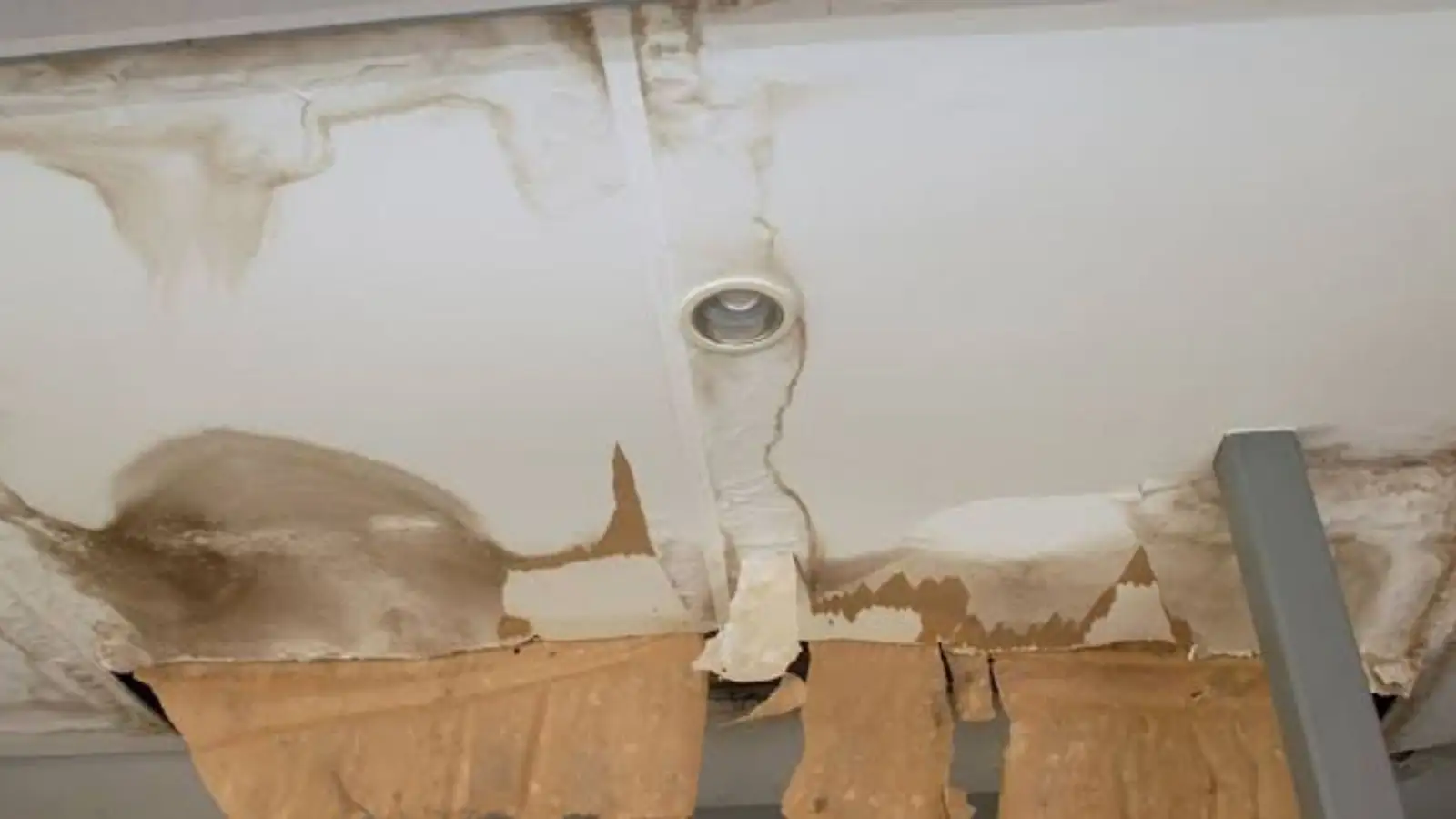
What decides ceiling water damage repair cost in Grapevine, TX
Cost for a ceiling in Grapevine, TX comes down to scope, and scope comes down to how much material got wet and for how long. A small dry-patched stain is a patch job. A saturated drywall sheet with wet insulation above it is a drying job followed by a rebuild.
A reliable price needs someone on site with a moisture meter. We do not quote numbers in articles because the factors below change the answer too much from house to house.
The rebuild is the last stage, and it is where water damage repair work shows up on the bill: new drywall, tape and mud, texture matching and paint. Drying and removal decide how big that stage becomes, which is why pricing before the cavity is opened is only an estimate.
The factors that move the scope
Every ceiling job is built from the same handful of variables. Adjusters and contractors look at these first.
- Water category: clean supply water, gray water or contaminated water, which changes removal rules.
- Affected area: one corner, one room or several rooms linked through the attic.
- Materials: standard drywall, textured or popcorn finishes, plaster or insulation type.
- Time wet: a few hours is very different from several days.
- Access: attic height, tight rooflines and second-story rooms.
- Drying days: more equipment and more days add to the job.
- Rebuild scope: patch and paint, a replaced section, or a full re-hang and texture match.
Finding the source belongs on the list too. A roof leak, an air conditioner drain line or a failed supply pipe each lead to different repairs.
Safety first
A bulging or sagging ceiling can drop without warning, and the water held inside may reach light fixtures and wiring. Keep people and pets out of the room. If you see water around a fixture, call 911 or the electric utility before calling a restoration line. Cut power only if the panel is dry and you can reach it safely.
Stain, sag or collapse: what it means and what is done
The visible condition is a clue to what is happening above. This table is a general guide, and an on-site inspection settles it.
| Ceiling condition | What it usually means | What is typically done |
|---|---|---|
| Dry brown stain | Past leak, maybe stopped | Confirm dryness with a moisture meter, seal and repaint |
| Damp or growing stain | Active or recent leak | Find the source, dry the cavity, then repair |
| Bubbling paint or soft spot | Drywall holding water | Open a relief hole, extract, dry, cut out wet sections |
| Sag or bulge | Saturated drywall under load | Stay out, control the water, remove the section safely |
| Collapse | Material failed from weight | Clear debris with protection, dry framing, rebuild |
General guide only.
Ceiling still wet?
Dry the cavity before anyone repaints. Our dispatch line can send a crew to check it.
What must be dried first
Painting or patching over wet drywall traps moisture and invites mold, so drying comes before any cosmetic fix. Restoration crews following ANSI/IICRC S500 practice dry the whole affected assembly, not just the visible stain.
Insulation and framing above
Wet insulation holds water against the drywall and the joists. It is often removed, and the framing is dried with air movers and an LGR dehumidifier until readings drop to a dry standard.
The drywall itself
Sections that have sagged or softened are usually cut out, because they rarely return to strength. Thermal imaging helps map how far the moisture spread past the visible edge.
Drying time
Expect roughly three to five days of drying for a typical ceiling cavity, longer if insulation is deep or the room stays humid. The range depends on the materials and conditions on the day.
Grapevine local note: when a repair may need a permit
The Grapevine Building Inspection Department is at 200 S. Main Street, and its staff handle permit questions Monday to Friday, 8:00 a.m. to 4:30 p.m. Plumbing, electrical, mechanical and irrigation work are covered by one combined permit application, and the city accepts many applications online through MyGov.
If your ceiling repair involves replacing a supply line, moving a fixture or working on wiring, ask the department whether it needs a permit before the work starts. Permit rules vary by job, so a quick question beforehand avoids stopping work halfway.
Getting a fair scope for your ceiling
Ask any contractor to separate the work into stages: source repair, water damage cleanup and drying, then the rebuild. A scope that lists each stage lets you compare bids on equal terms and lets your insurer review them.
Crews work in Grapevine and also serve Coppell and Southlake, so a second-story ceiling in any of those cities gets the same sequence. If the room is flooded from above, emergency water removal comes before everything else.
Ask each bidder how they will confirm the ceiling is dry before closing it up. A written moisture reading is a sensible answer. A shrug is not.
Ceiling water damage questions in Grapevine
Only after the area is confirmed dry with a moisture meter and the leak is fixed. Painting over damp drywall hides the problem and can trap moisture. Stain-blocking primer does not dry a wet cavity.
Sagging, soft spots, bubbling or crumbling texture usually point to saturated drywall that should be removed. A hard, dry stain may only need sealing and paint. A technician with a moisture meter and thermal camera can tell the difference.
A clogged air conditioner condensate line, a roof leak after a storm or a supply line failure above the ceiling are common sources. The hot, humid climate keeps air conditioners running hard, so a blocked drain line can overflow quietly.
Sudden and accidental water damage is often covered, while gradual leaks often are not. Check your policy, photograph the damage before repairs and ask your insurer about your situation.
It depends on the job. Patch and paint work usually differs from replacing plumbing or electrical components. The Grapevine Building Inspection Department can tell you whether your specific repair needs one.
Texas Department of Insurance guidance says mold can start growing within a day after a leak. Remove standing water and start drying right away, and ask a mold professional about testing if the area stays damp.