
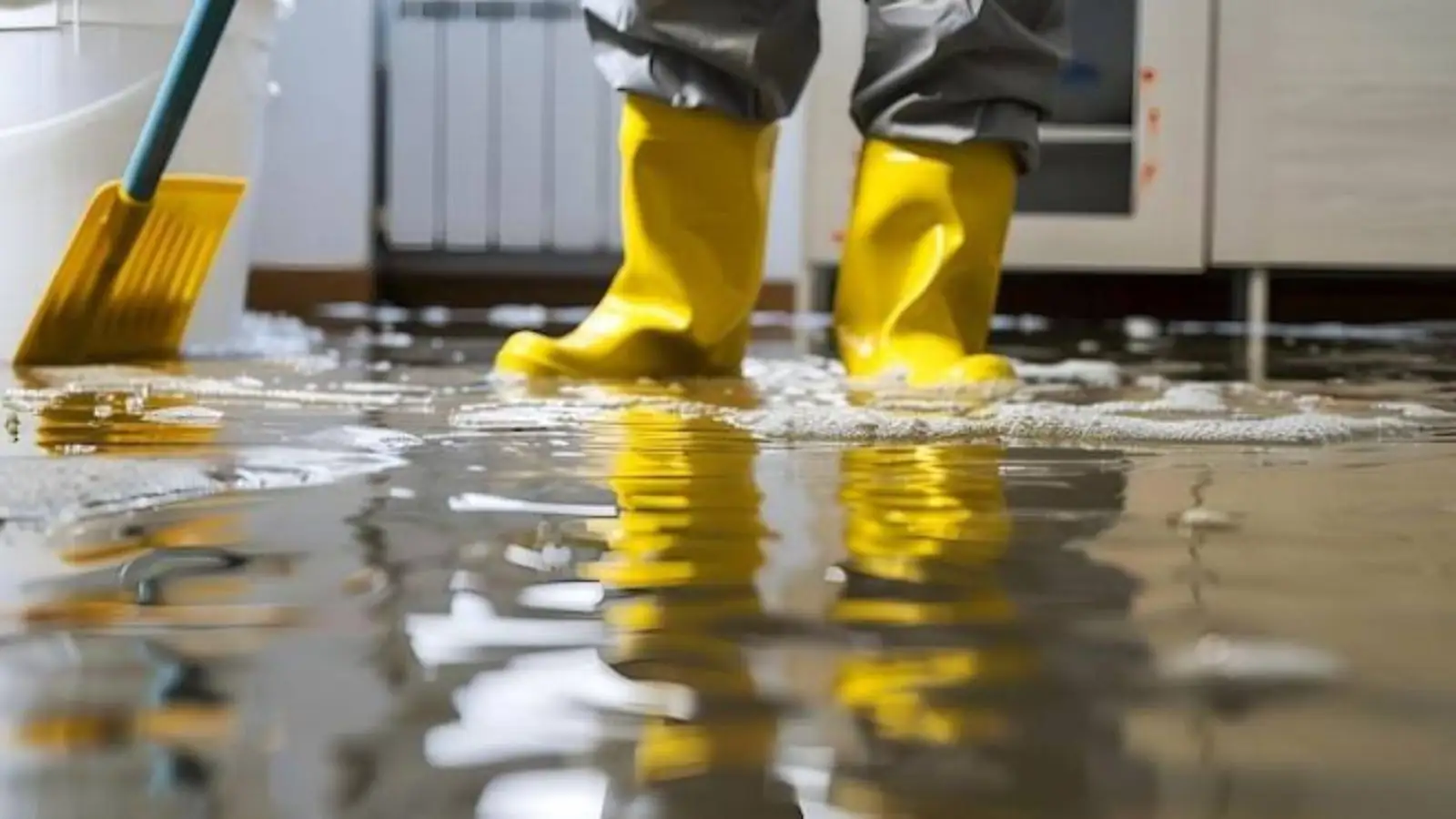
Flood water cleanup in Grapevine, TX starts with the water category
Water that enters from outside after heavy rain or an overflowing creek is treated as contaminated. Industry practice under ANSI/IICRC S500 groups water into three categories. Category 1 comes from a clean source such as a supply line. Category 2 carries significant contamination, like washing machine discharge. Category 3 is grossly contaminated and includes rising ground water and sewage.
Flood water is generally handled as Category 3 because it crosses yards, streets and drainage paths before it reaches your floor. That classification decides which materials can be cleaned and which have to go. Hard, nonporous surfaces usually survive, while porous ones such as pad, insulation and fiberboard rarely do. A crew confirms the call with a moisture meter instead of relying on appearance alone.
Before you step inside
Do not wade into standing water if the power is on or the panel is wet. Call 911 or your electric utility first, and leave gas odors to the gas company. Wear waterproof boots, gloves and an N95-type mask when you do enter, and keep children and pets out. If floors feel soft or ceilings sag, stay out and wait for an assessment.
Keep or discard: a quick decision table
These calls assume Category 3 flood water. Always photograph items before they leave the house.
| Item | Keep or discard | Why |
|---|---|---|
| Carpet and carpet pad | Discard | Fibers and foam trap contamination and cannot be sanitized reliably. |
| Wet drywall and insulation | Discard | Porous materials absorb contaminated water and stay damp inside the wall. |
| Mattresses and upholstered furniture | Discard | Deep padding cannot be cleaned through to the core. |
| Solid wood furniture | Often keep | Hard surfaces can be washed, dried and disinfected. |
| Glass, metal and hard plastic | Keep | Nonporous surfaces clean well with detergent and a disinfectant. |
| Concrete and tile floors | Keep | They can be extracted, scrubbed and disinfected. |
| Food, medicine and cosmetics touched by water | Discard | Contamination cannot be washed off sealed or opened containers. |
| Papers and photos | Case by case | Air dry quickly or bag and chill them, and copy anything irreplaceable. |
Appliances and electronics need a technician check before use.
Need the water out and the structure dried?
A crew can extract, remove damaged materials and set up drying equipment.
How cleanup proceeds, stage by stage
Safe flood cleanup follows a sequence. Skipping steps leaves contaminated material behind walls or under floors.
Removal and extraction
Extraction units remove standing water first, and then porous materials are cut out and bagged. Drywall is usually removed at least a foot or two above the visible water line, guided by moisture meter readings.
Our flood damage restoration service covers this stage, and emergency water removal handles fast extraction.
Cleaning, drying and checks
Remaining surfaces are cleaned with detergent and disinfected. Air movers, LGR dehumidifiers and HEPA air scrubbers then run, commonly for 3 to 7 days depending on materials and humidity. Drying continues until readings match unaffected areas of the house.
Only after that does rebuilding start. New insulation, drywall, baseboards and flooring go back in under repair and rebuild work, and every cavity should be confirmed dry first so the new materials do not trap leftover moisture.
Grapevine local note: Grapevine Lake and the 2015 high water
Grapevine Lake is a flood control reservoir on Denton Creek. After the June 2015 storms the spillway ran for the first time since 1981, the lake sat above flood pool for over 120 days, and a long stretch of FM 2499 was closed.
Floods tied to a reservoir can be long events, so plan for slow water recession and delayed access. Check the FEMA flood map for your address and keep photos of your home's contents, because standard home policies exclude flood damage and separate flood coverage may matter.
Mistakes that make flood cleanup harder
The most common mistake is running the household HVAC system, since it spreads contaminated moisture and dust through the ducts. Another is mixing bleach with ammonia-based cleaners, which creates a dangerous gas. Use one product at a time and follow its label.
Delay costs you too. The Texas Department of Insurance notes that mold can start growing within a day after a leak, so wet drywall and pad should not sit for a week. If mold has already formed, our mold remediation page explains how it is handled.
Insurance and documentation
Flood damage is usually excluded from standard home policies, and flood coverage needs a separate policy. Sudden and accidental water damage, such as a burst pipe, is often covered. Check your policy and ask your insurer which one applies to your loss.
Photograph everything, make a list of damaged property and keep receipts. Crews serve Flower Mound and Coppell as well, and the same documentation habits apply in every town.
Flood cleanup questions in Grapevine
Flood water that comes from outside is generally treated as Category 3 because it picks up soil, waste and chemicals along its path. Rain that enters through a roof leak may be classified differently. A moisture assessment and a look at the source settle it.
Carpet and pad that sat in Category 3 water are normally discarded. Cleaning cannot reliably remove contamination from the fibers and foam. Pull it up quickly so the subfloor can dry.
Right away, once the area is electrically safe. The Texas Department of Insurance says mold can start growing within a day after a leak, so standing water, wet pad and soaked drywall should come out as soon as possible.
Standard home policies usually exclude flood damage, and flood coverage requires a separate policy. Ask your agent what you have, and look up your address on the FEMA Flood Map Service Center.
Small, shallow, outdoor-sourced water on a hard floor may be manageable with protective gear. Water inside walls, under flooring or over a large area needs extraction, moisture mapping and proper drying. Our cleanup service covers those jobs.
It stayed above flood pool for more than 120 days that year, after heavy rain in June pushed the spillway into use. That is why neighbors near the lake and creeks should expect a long recovery window in a large event.