
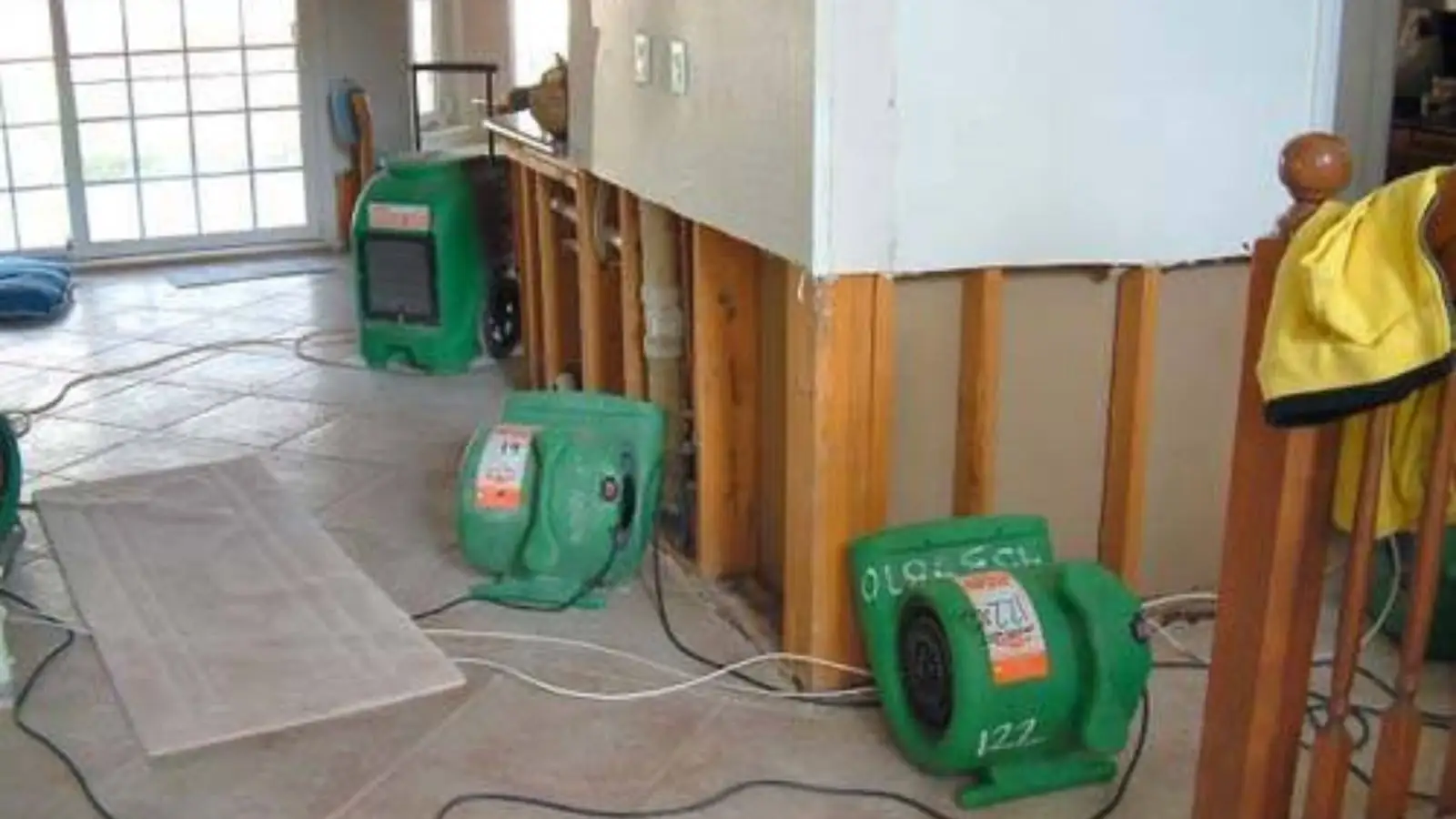
The water damage restoration process in Grapevine, TX
Water damage restoration in Grapevine, TX moves through six broad phases: emergency contact, inspection, water removal, drying, cleaning and repair. The order comes from ANSI/IICRC S500, the published industry standard for professional water damage restoration.
Each phase sets up the next. Skip inspection and the crew may dry the wrong areas. Skip drying and the rebuild may trap moisture inside new drywall. Knowing the sequence helps you ask better questions and spot gaps in a scope of work.
Speed counts at every phase. Water spreads into drywall, baseboards and subfloor within hours, and mold can start growing within a day after a leak, according to Texas Department of Insurance guidance. A fast first call keeps the affected area small, which shortens every later step.
Step by step: what happens and what you can do
This table follows a typical loss from the first call to the finished repair.
| Step | What happens | What you can do |
|---|---|---|
| 1. First call | Dispatch collects the address, cause and scope of water | Stop the source if safe, describe what you see |
| 2. Inspection | Moisture meters and thermal camera map wet areas, water category is assessed | Point out damage and any past leaks |
| 3. Water removal | Extraction units pull standing water and soaked carpet | Move valuables and open doors |
| 4. Drying | Air movers and LGR dehumidifiers run with daily readings | Keep the house closed and equipment powered |
| 5. Cleaning | Surfaces and contents are cleaned, affected materials removed | Decide what to keep with your insurer |
| 6. Rebuild | Drywall, flooring, cabinets and paint are replaced | Choose finishes and approve the scope |
Order based on ANSI/IICRC S500 practice. Details vary by loss.
The first call and the first visit
The first call is about safety and speed. A dispatcher asks where the water came from, how far it has spread and whether anyone has turned off power or water.
Stop the source
Close the shutoff valve at the fixture or the main if you can reach it. If you cannot find it, tell the dispatcher so the crew arrives ready for it.
Inspection and categorizing
On site, the crew checks moisture levels and decides whether the water is clean, gray or contaminated. That category controls what can be dried in place and what must be removed. Your water mitigation plan flows from this decision.
Safety first
If water touches outlets, a ceiling fixture or the breaker panel, or you smell gas, get everyone out and call 911 or the utility before calling a restoration line. Cut power only if the panel is dry and reachable. Sewage and sagging ceilings are stay-out situations.
Water in the house right now?
Our dispatch line can start the sequence today. Tell us the source and the rooms involved.
Removal, drying and monitoring
Extraction comes first because every hour of standing water spreads moisture into more materials. After that, air movers and dehumidifiers dry what remains. Emergency water removal is the usual first stage for larger losses.
Most drying runs 3 to 5 days, with a technician returning each day to check readings and move equipment. Wet carpet pad, insulation and soft drywall may come out when they cannot be dried in time. When readings match a dry reference, the equipment is pulled.
Daily monitoring is the part homeowners rarely see. A technician records temperature, humidity and moisture readings at the same spots each day, so progress is measurable. If a wall reads wetter than expected, the crew adds an air mover, opens a cavity or extends the schedule. That daily log is also useful paperwork for your insurer.
Grapevine local note: why crews plan for large losses
Grapevine Lake is a flood control reservoir on Denton Creek, built between 1948 and 1952 and sitting on the city's north side. The lake's spillway was used in June 2015 after heavy rain, and the pool stayed high for months. Several neighboring cities declared emergencies.
For homeowners, the lesson is practical. Large losses happen, and crews plan for equipment, staffing and long drying schedules. If your home could be affected by high water, check the FEMA flood map for your address and ask your insurer about flood coverage, since standard policies exclude floods.
Cleaning, repair and closing out the job
Once the structure is dry, cleaning comes next: wiping down surfaces, treating contents and removing materials that did not pass. For flood-level losses, flood damage restoration adds disinfection and more demolition. Mold needs its own process following S520, so if you see growth, ask about mold remediation separately.
Rebuilding follows, from drywall and insulation to flooring and paint. Our repair stage scope should list each room and material. Crews head out from Grapevine to Colleyville and Euless under the same sequence. Keep your photos, drying logs and receipts together until your claim and repairs are done.
Before final payment or sign off, walk each room with the scope in hand. Check that paint, baseboards, trim and flooring transitions match what was agreed.
Restoration process questions in Grapevine
Stop the source if you can do it safely, stay clear of electrical hazards and call a restoration line. Photograph the damage before moving anything. Report the loss to your insurer as soon as possible.
Water removal and drying often take 3 to 5 days. The rebuild can take days or weeks depending on materials and scope. Contaminated water or large areas lengthen the schedule.
Not always. Small, clean-water losses may allow you to stay, but noise from equipment and moisture can make rooms hard to use. Contaminated water or a failed ceiling usually means staying elsewhere until the area is made safe.
It is a published industry standard that describes professional water damage restoration practice, including water categories, drying goals and documentation. We follow its approach, though it is a guideline and not a rule that applies to your house by law.
The lake is a flood control reservoir, and in June 2015 its spillway was used for the first time since 1981. Events like that remind crews and homeowners to plan for large losses. Check the FEMA flood map for your address.
The moisture readings do. A crew compares wet materials to dry reference readings and ends drying when they match. Ask for the log if you want a record.